May 4: Diplomacy’s Public Turn: Prospects for Theory and Practice
Recording available here.
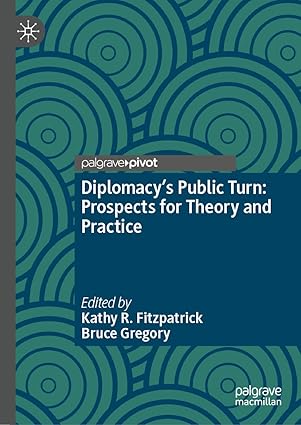
Please join us on May 4 at noon to discuss Diplomacy’s Public Turn: Prospects for Theory and Practice, a new edited volume that addresses diplomacy’s future in a turbulent mid-21st century environment and recommends pathways to innovation in public diplomacy’s institutions, tools, and methods.
This hybrid event features a PDCA members’ panel with the book’s co-editors, Kathy R. Fitzpatrick, Director of the Zimmerman School of Advertising and Mass Communication at the University of South Florida, and Bruce Gregory, affiliate scholar at George Washington University’s Institute for Public Diplomacy and Global Communication; contributing author Vivian Walker, PDCA co-president and professor at Georgetown University; and contributing author Nicholas Cull, professor at the University of Southern California. Dr. Walker will moderate the panel.
After the panel, PDCA will host a conversation with the in-person audience on implications for US public diplomacy and consider insights from scholars at the International Studies Association’s annual conference in Columbus, Ohio (March 22-25).
The book explores diplomacy’s deeper engagement in societies at home and abroad, public diplomacy’s centrality in diplomatic practice, ways in which digital technologies and AI disrupt and empower all aspects of diplomacy, and challenges brought by geopolitical conflicts and complex global problems. Chapters by thought leaders in the US and abroad provide ideas on these transformational changes for next generation scholars, practitioners, educators, and policymakers.
The book’s other contributors are Jan Melissen (Leiden University), Lavinia Pacifici (Leiden University), Paul Sharp (University of Minnesota, Duluth), Geoffrey Wiseman (DePaul University), Rhonda Zaharna (American University), Kadir Jun Ayhan (James Madison University), Jay Wang (University of Southern California), Eytan Gilboa (Reichman University), Ilan Manor (Ben Gurion University), James Pamment (Lund University), Elsa Hedling (Lund University), and Dan Spokojny (CEO, fp21).
The event will take place at noon at GWU's Lindner Family Commons at the Elliott School (1957 E Street, NW, Room 602, Washington, D.C. 20052). For those who arrive before 11:40 a.m., a light lunch will be provided. The event is co-sponsored by the USC Annenberg Center on Communication Leadership and Policy, GWU Institute for Public Diplomacy and Global Communication, and the USC Center on Public Diplomacy.
To register to attend in-person, click here. (The in-person meeting will last until 1:30 p.m.)
To register for the Forum via Zoom, click here. (The Zoom meeting will end at 1:00 p.m.)
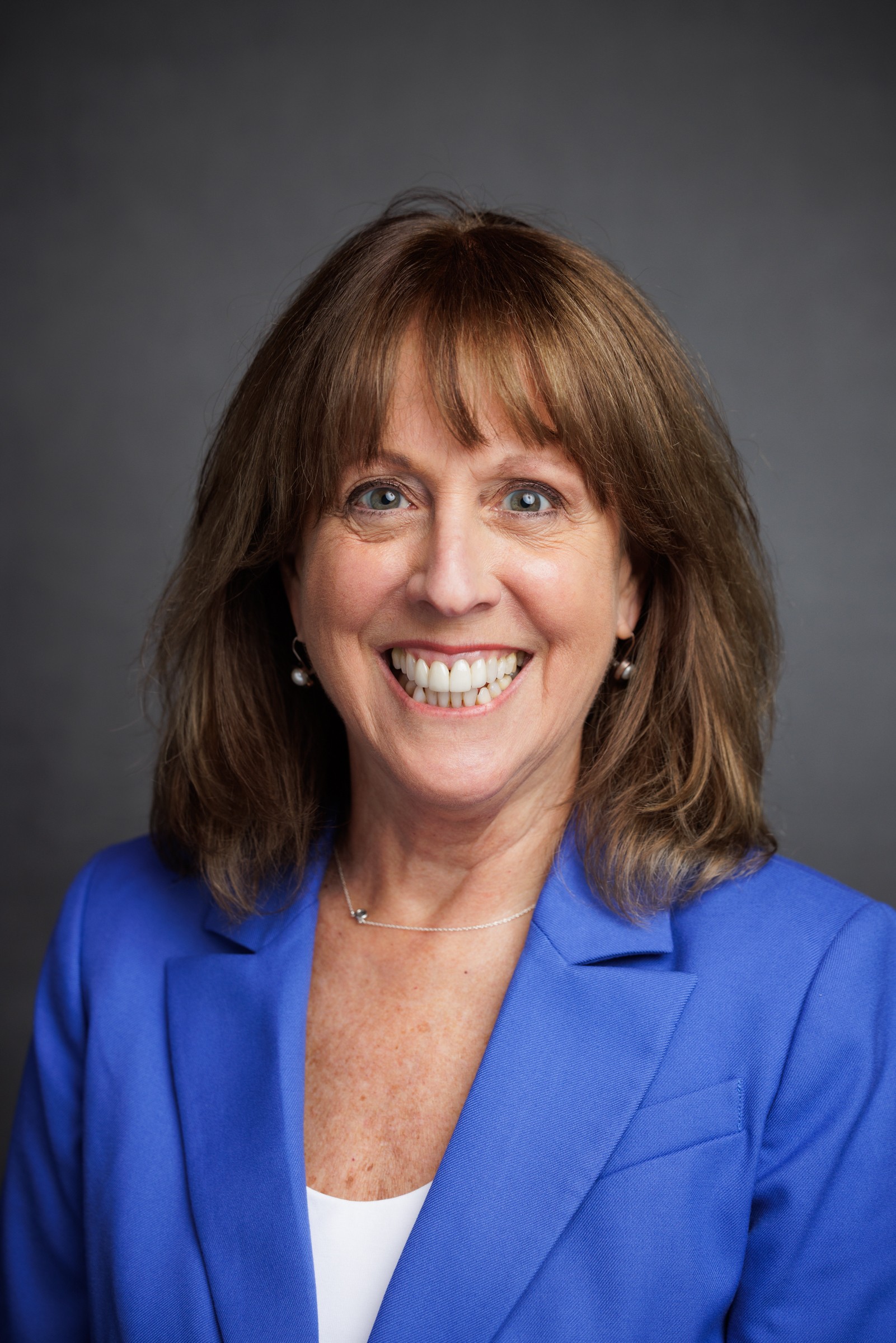 Kathy R. Fitzpatrick is professor and director of the Zimmerman School of Advertising & Mass Communications at the University of South Florida (USF). She moved to USF from American University (AU) in Washington, D.C., where she served as professor and former senior associate dean for academic affairs in the School of Communication. Prior to joining AU, Fitzpatrick was associate dean of graduate programs and research in the School of Journalism and Mass Communication at Florida International University. She previously directed graduate programs at Quinnipiac University and DePaul University and served as head of the undergraduate public relations program at Southern Methodist University. She is a former research fellow in the Center on Public Diplomacy in the Annenberg School at the University of Southern California, where she currently serves as a faculty fellow.
 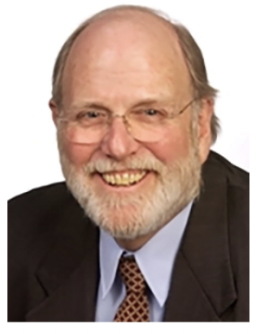 Bruce Gregory is an affiliate scholar at George Washington University’s Institute for Public Diplomacy and Global Communication. From 2002-2017 he taught courses on public diplomacy, media, and national security in the Global Communication MA Program, School of Media and Public Affairs, and Elliott School of International Affairs. He was director of the University’s Institute of Public Diplomacy from 2005 to 2008. He is also an associate at Georgetown University where he taught courses on public diplomacy in the Master of Foreign Service Program from 2009 to 2012 and a non-resident faculty fellow at the University of Southern California’s Center on Public Diplomacy.
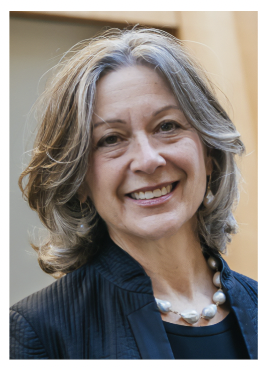 Vivian Walker is Practitioner in Residence at the Walsh School of Foreign Service at Georgetown University, Adjunct Professor in GU’s MSFS degree program, co-editor of the Palgrave Macmillan Series in Global Public Diplomacy, and Faculty Fellow at USC’s Center on Public Diplomacy. She is Co-President of the Public Diplomacy Council of America.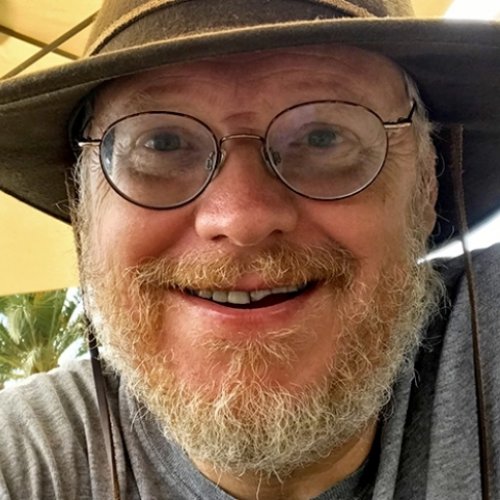
Nicholas J. Cull is originally from the U.K. His BA (International History and Politics) and PhD (History) were both from the University of Leeds. He also studied at Princeton as a Harkness Fellow of the Commonwealth Fund of New York. He taught at Birmingham University and at the University of Leicester where, as one of the U.K.’s youngest full professors, he launched the Center on American Studies in 1997.
Moving to USC in 2005, he was the founding director of the master’s program in public diplomacy and part of the team recognized by the Department of State with the Benjamin Franklin award. From 2004 to 2019, Cull served as president of the International Association for Media and History. He has provided advice and training in public diplomacy to a number of foreign ministries and cultural agencies around the world including those of the U.S., U.K., Canada, Mexico, Switzerland, and the Netherlands. His many books include Public Diplomacy: Foundations for Global Engagement in the Digital Age (Polity, 2019) and Reputational Security: Refocusing Public Diplomacy for a Dangerous World (Polity, 2024).